
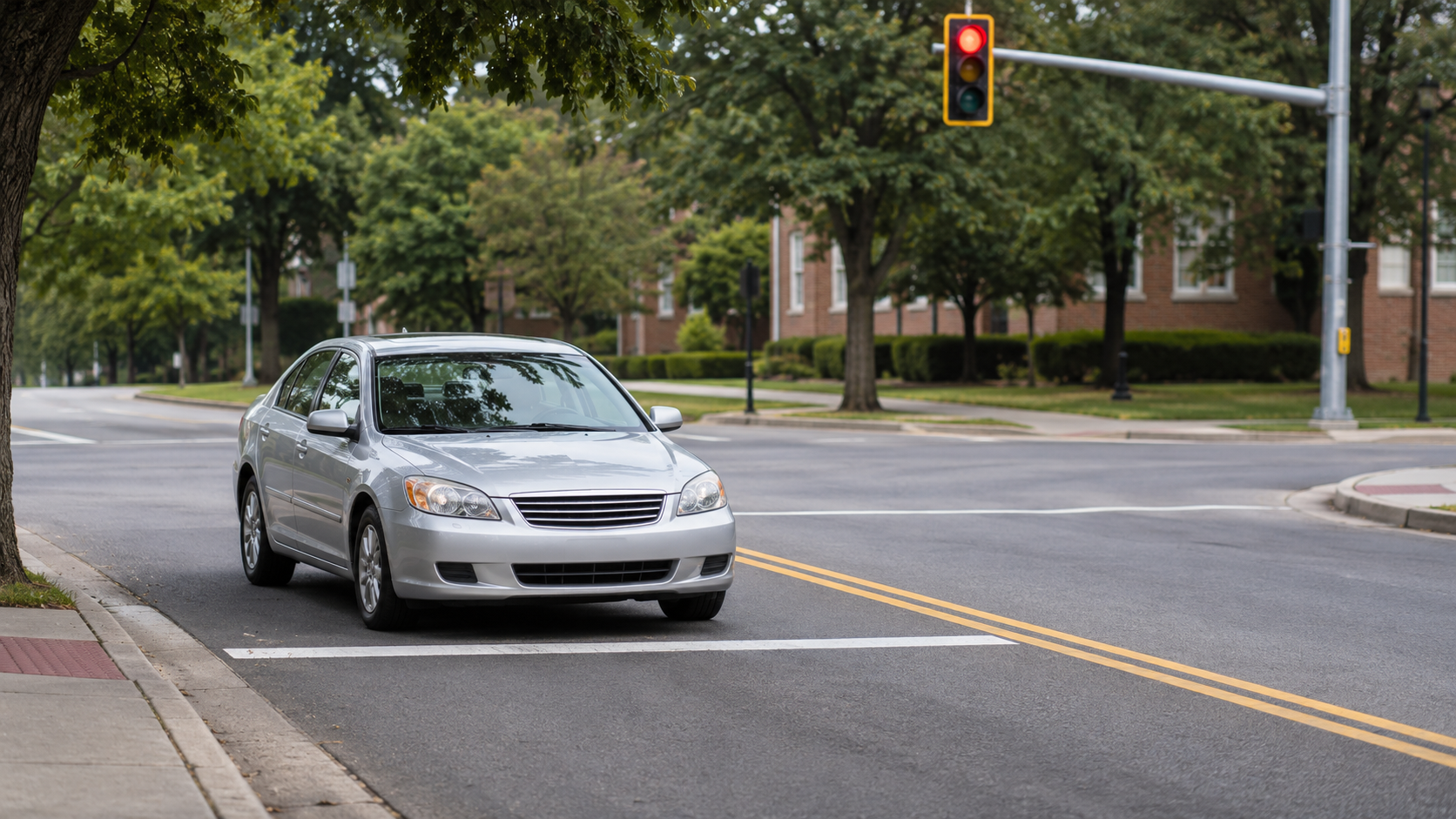
An intersection crash on University Drive, Governors Drive, or another Huntsville road can leave you dealing with injuries, vehicle damage, and conflicting accounts of what happened. A green light or a traffic citation may be important, but neither answers every question about civil liability.
The Lackey Law Firm represents people injured in motor vehicle crashes. Understanding the traffic rules, available evidence, and Alabama’s contributory negligence doctrine can help you prepare for a discussion about your case.
What to Know Right Away About Crossroad Collisions
- Right-of-way matters: Signals, signs, turning movements, and the position of other road users all affect the analysis.
- Fault requires evidence: A violation alone does not resolve every issue of causation, damages, or defenses.
- Contributory negligence can bar recovery: This defense applies to negligence claims when the injured person’s own negligence proximately contributed to the injury. An insurer’s allegation is not a final legal determination.
- Preservation should start promptly: Keep photographs, witness details, correspondence, and available recordings.
- Deadlines vary: Many personal injury actions have a two-year limitation period, but other requirements can arise sooner.
Traffic Rules and Right-of-Way Laws in Alabama
Alabama’s Rules of the Road address different intersection situations:
- Traffic signals: Section 32-5A-32 requires stopping for a steady red signal, subject to its permitted-turn exceptions. Green signals still carry duties to yield to road users lawfully in the intersection or adjacent crosswalk.
- Left turns: Section 32-5A-111 requires yielding to opposing traffic already in the intersection or close enough to present an immediate hazard. A green arrow does not eliminate all yielding duties.
- Stop signs: Section 32-5A-112 requires stopping and then yielding to traffic in the intersection or approaching closely enough to create an immediate hazard.
- Simultaneous approaches: Section 32-5A-110 generally requires the driver on the left to yield to the driver on the right when vehicles approach or enter from different highways at approximately the same time, subject to the chapter’s modifications.
These provisions appear in the Alabama Attorney General’s published compilation. The applicable signals, signs, pedestrian movements, and circumstances must be considered together.
Understanding Alabama's Strict Contributory Negligence Rule
Alabama generally follows contributory negligence rather than reducing a negligence award by a percentage of fault. The injured person’s negligence must have proximately contributed to the injury for this defense to bar recovery. The Alabama Supreme Court addressed that causal requirement in Creel v. Brown.
The familiar “1% rule” is shorthand, not a statutory percentage test or a rule that any accusation ends a claim. The defendant bears the burden of proving the defense. Disputes about what each driver saw, knew, or did require careful review.
The claim involved also matters. Contributory negligence is not a defense to wantonness, as the Alabama Supreme Court explained in Sims v. Crates. Wantonness has separate requirements; it cannot be assumed merely because a crash occurred. An attorney should evaluate the available claims and defenses rather than promise that an exception applies.
Our personal injury attorneys can review the evidence and explain how these principles may affect your situation.
Evidence Used to Prove Huntsville Intersection Accident Liability
Useful evidence depends on the crash. Do not assume a camera recorded it, that a recording will be retained, or that a vehicle contains every type of electronic data. Discuss preservation promptly, before repairs, disposal, or routine deletion make evidence unavailable.
- Collision reports: Review the recorded facts and identify discrepancies. A report is not, by itself, a final determination of civil liability.
- Available video: Dashcams or nearby security systems may have relevant footage. Identify potential sources without assuming public traffic cameras retain recordings.
- Vehicle data: A qualified professional can determine whether relevant data exists and how it may be lawfully preserved and examined.
- Scene photographs: Preserve images of signs, signals, road conditions, debris, and vehicle damage when it is safe to do so.
- Witness accounts: Record contact information and what each person actually observed, rather than assuming every account will agree.
Keep medical records, repair information, and communications together. Avoid editing original recordings or guessing at facts you do not remember.
Local Experience Protecting Madison County Drivers
The Lackey Law Firm has served North Alabama for more than 40 years. Our family of attorneys handles auto accident cases and other injury matters, with offices in Huntsville and Scottsboro.
A consultation gives you an opportunity to explain what happened, share the records you have, and ask about next steps. The investigation and available options depend on the facts of your case.
Common Questions Regarding Huntsville Intersection Crashes
1. What happens if the other driver claims I ran a yellow light?
Section 32-5A-32 describes steady yellow as a warning that green is ending or red will follow. That warning is different from a red-light stop requirement. Signal timing and driving conduct still require review; yellow alone does not establish fault or freedom from fault.
2. Can I still bring a claim if the collision involved a left turn?
Potentially. Left-turn duties are important, but the evidence must also address the other driver’s conduct and what caused the injuries. Do not assume that either the turning driver or the straight-traveling driver automatically wins.
3. Should I give a recorded statement to the insurance adjuster?
Before agreeing, identify whom the adjuster represents and ask an attorney about the request. Communications with the other driver’s insurer and duties under your own policy are different issues. Do not ignore policy notices or cooperation requests, and do not speculate about facts you do not know.
4. Who is responsible in a four-way stop accident?
Arrival order alone does not settle liability. The stopping, yielding, and turning rules must be applied to the vehicles’ actual movements. Evidence about when each vehicle entered and whether an immediate hazard existed can be important.
5. What if the police report lists the wrong information about my crash?
Keep a copy, identify the specific discrepancy, and contact the reporting agency about its correction or supplement process. Provide supporting material if available. Do not assume the agency will change its conclusions; an attorney can also assess other evidence.
6. How much time do I have to file an accident lawsuit in Huntsville?
Alabama Code § 6-2-38(l) generally provides two years for personal injury actions within its scope. The applicable deadline depends on the claim and circumstances. Municipal tort claims can involve a much earlier presentation requirement under § 11-47-23. Have an attorney assess deadlines promptly, especially when a public entity or employee is involved; do not assume all government-related claims follow the same procedure.
Taking the Next Steps Toward Recovery
Gather the information you already have and seek advice before making decisions about a disputed injury claim. No single document or traffic rule can substitute for reviewing the full circumstances.
To discuss a Huntsville intersection crash with The Lackey Law Firm, call (256) 585-2980 or contact our office to request a consultation.
This article provides general information, not legal advice for a particular accident.